
Skin health is more than just a matter of appearance. It’s a crucial aspect of our overall well-being, with our skin being the body’s largest organ and first line of defense against the outside world.
At Stimulife Health Blog, we understand the importance of a healthy skin care routine that goes beyond just the surface. In this post, we’ll share essential tips and insights to help you enhance your skin health, covering everything from daily habits to choosing the right products.
Understanding Skin Health
Our skin is not just our body’s showcase but its largest organ as well, playing a critical role in our overall health. Recognizing the intricacy of skin health is vital. It isn’t solely about achieving a flawless complexion but about ensuring the well-being of a crucial protective barrier.
The Vital Role of the Skin
The skin, wrapping our body in approximately 20 square feet of tissue, acts as a robust shield against harmful microbes and environmental threats. It regulates body temperature, synthesizes vitamin D, and even provides sensory information. Thus, healthy skin is fundamental, not just for appearance but for maintaining our body’s defense mechanisms.
Linking Skin to Overall Health
There’s a profound connection between the state of our skin and our general health. Often, skin conditions can be early indicators of more serious health issues. For instance, pale or yellowish skin can signal liver disease, while bluish tint could point to heart or lung troubles. Moreover, chronic skin problems like psoriasis have been linked to an increased risk of cardiovascular diseases.

Environmental and Lifestyle Impacts
Several external and lifestyle elements significantly influence skin health. Sun exposure leads the charge, with UV rays causing not just immediate issues like sunburn but long-term damage including premature aging and an increased skin cancer risk. Pollution, too, contributes to skin woes by introducing oxidative stress.
On the lifestyle front, hydration, nutrition, and sleep play crucial roles. A diet lacking in essential nutrients or inadequate water intake can lead to dry, lackluster skin. Similarly, poor sleep doesn’t just result in dark circles but also hinders skin repair.
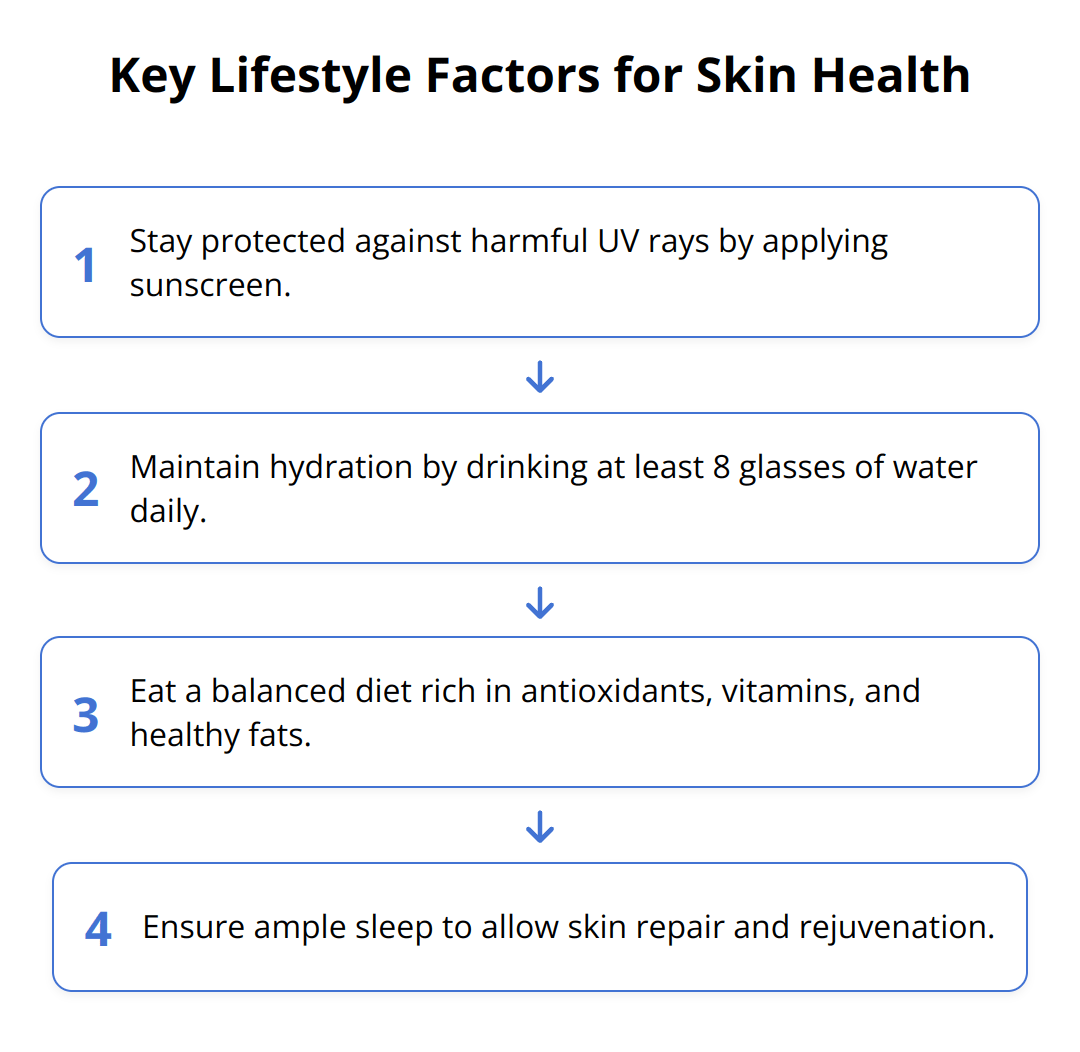
To counter these challenges, here are actionable tips:
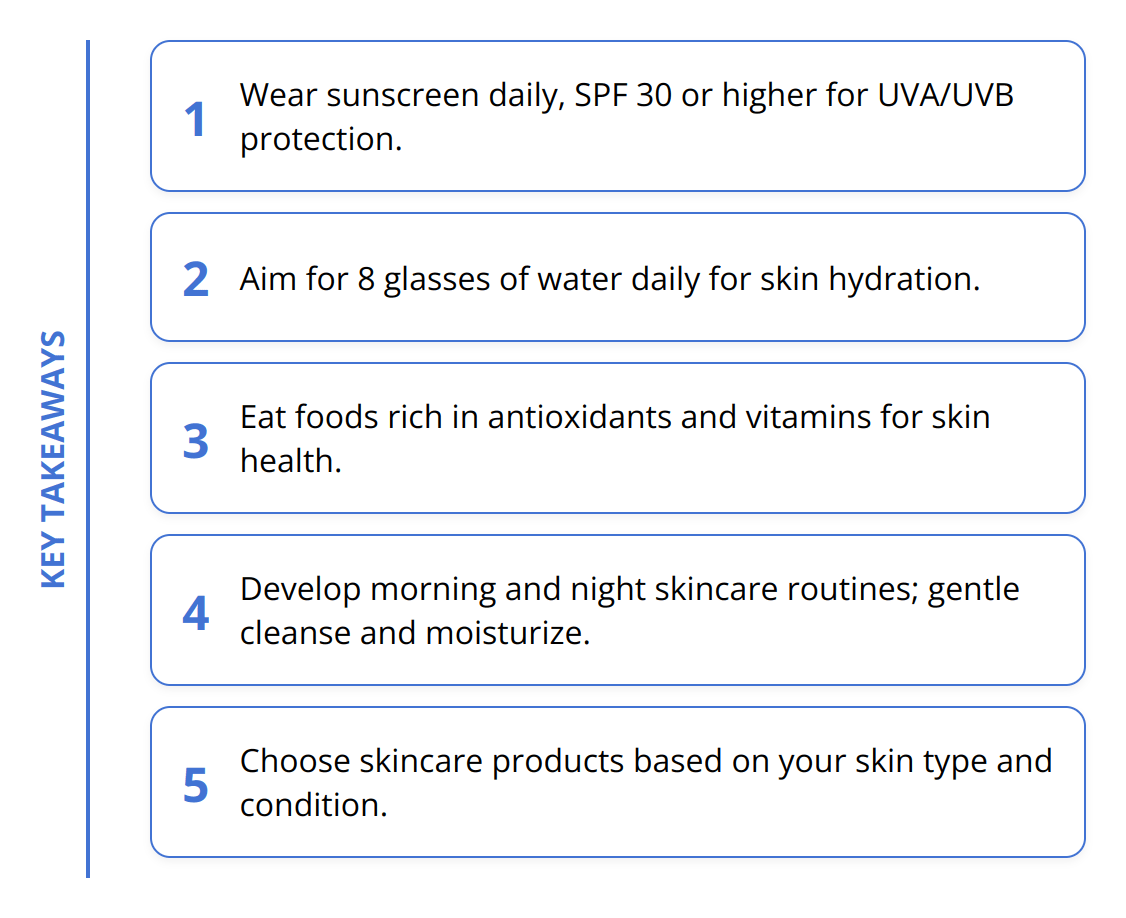
- Protect Against the Sun: Always wear sunscreen, even on cloudy days. Opt for broad-spectrum (UVA/UVB) products with at least SPF 30.
- Stay Hydrated: Aim for 8 glasses of water a day to help maintain skin’s elasticity.
- Nutrition Matters: Feed your skin from the inside out. Foods rich in antioxidants, healthy fats, and vitamins can combat skin damage from the environment.
- Beauty Sleep: Allow your skin to repair and rejuvenate with 7-9 hours of quality sleep nightly.
- Skin Care Routine: Develop a daily skincare routine tailored to your skin type. This should include gentle cleansing and moisturizing. For more details on establishing a routine, consider our guide on healthy skin after 50.
Implementing these practices will not only enhance your skin’s appearance but, more importantly, bolster its health and your overall wellbeing. Prioritizing skin health means you’re giving your body’s largest organ the care it deserves, paving the way to a healthier you.
Daily Skin Health Boosters
To elevate skin health effectively, integrating specific habits into your daily life is essential. This approach not only improves skin quality but also supports overall well-being. The cornerstone practices—hydration, nutrition, regular cleansing, moisturizing, and sun protection—are not just beneficial but foundational for maintaining and enhancing skin health.
Hydration and Nutrition for Vibrant Skin
Hydration is the lifeline your skin needs to remain supple, elastic, and clear. Aiming for at least 8 glasses of water daily is a good benchmark, but don’t stop there. Incorporating hydrating foods like cucumbers, oranges, and strawberries can further aid in maintaining optimal skin hydration levels.
Nutrition plays an equally pivotal role. A diet abundant in fruits, vegetables, lean proteins, and healthy fats supplies the vitamins and antioxidants your skin craves for protection against damage and aging. Particularly, foods high in Vitamin C and E, selenium, and omega-3 fatty acids are powerhouses for skin health.

Effective Cleansing and Moisturizing Routines
Cleansing and moisturizing are two sides of the same coin in skin care. Daily cleansing removes pollutants, excess oil, and dead skin cells, preventing clogged pores and skin dullness. However, it’s vital to use gentle cleansers that don’t strip the skin of its natural oils. Follow up with a moisturizer suited to your skin type to lock in moisture and protect the skin barrier. For dry skin, look for ingredients like hyaluronic acid and ceramides. If you have oily skin, opt for lightweight, non-comedogenic formulas.
Non-Negotiable Sun Protection
Sun protection isn’t just for beach days; it’s a daily necessity. The sun’s UV rays can cause significant damage over time, leading to premature aging, dark spots, and increased skin cancer risk. Wearing broad-spectrum sunscreen with SPF 30 or higher, seeking shade during peak sun hours, and wearing protective clothing are non-negotiable habits for healthy skin.
Quick Tips:
- Drink water throughout the day; don’t wait until you’re thirsty.
- Include a colorful variety of produce in meals for a broad spectrum of skin-boosting nutrients.
- Establish morning and nighttime skin care routines that emphasize gentle cleansing and appropriate moisturization.
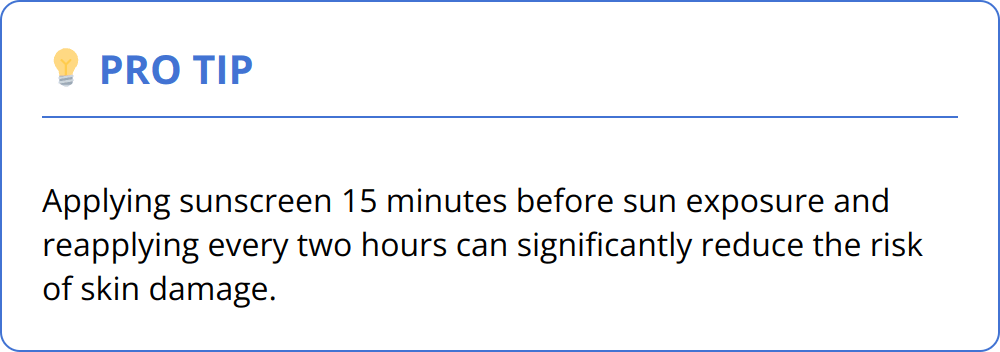
- Apply sunscreen 15 minutes before sun exposure and reapply every two hours.
For more detailed guidance on creating a skincare routine that addresses your specific needs, explore our comprehensive advice on selecting skin care products.
By adopting these daily habits, you’re not just nurturing your skin but enhancing its ability to perform its vital functions, supporting both its health and resilience.
Choosing Right Skin Products
Navigating the skincare aisle can be a daunting task with the vast array of products available. Understanding your skin’s needs is pivotal in selecting products that not only enhance its health but also support its natural functions.
Know Your Skin
The first step in choosing the right skincare products is identifying your skin type—oily, dry, combination, sensitive, or normal. Each type has specific needs; for instance, oily skin benefits from lightweight, non-comedogenic products, while dry skin requires richer, hydrating formulas. Recognize that skin conditions such as eczema or acne also dictate the type of products to use, often needing gentler, targeted treatments.
Understanding your skin type and condition is not just helpful; it’s essential. It guides you in making informed decisions about what products to incorporate into your routine, ensuring they contribute positively to your skin’s health.
The Appeal of Natural and Organic
The trend towards natural and organic skincare products is not just a fad. These products, often formulated without harsh chemicals, parabens, and synthetic fragrances, can be kinder to your skin and the environment. They harness the power of natural ingredients, which can offer antioxidants, hydration, and anti-inflammatory benefits without the harsh side effects some chemical compounds might induce.
However, it’s important not to equate ‘natural’ or ‘organic’ with ‘safe for everyone’. Always patch test a new product and monitor your skin’s reaction to it.
Deciphering Labels
Product labels can be confusing, with long, scientific-sounding ingredient lists. Here are a few tips for reading these labels:
- Look for active ingredients: These are the components doing the heavy lifting in terms of results. For anti-aging products, hyaluronic acid, retinol, and peptides are gold standards. For hydration, search for glycerin or ceramides.
- Concentration matters: Active ingredients should be high up on the ingredient list, indicating their prominence in the formula.
- Understand the preservatives used: While necessary to extend shelf life, some preservatives can cause skin irritation. Know which preservatives are less likely to irritate, like ethylhexylglycerin, and those more commonly linked to sensitivity, such as formaldehyde releasers.
- Identify filler ingredients: Some ingredients add texture or bulk without benefiting the skin. Minimize products laden with these unless they serve a specific purpose for your skin type.
For additional insights into choosing skincare products apt for your needs, exploring resources such as healthy skin with antioxidants can provide further guidance.
Quick Tips:
- Identify your skin type and any conditions you may have.
- Favor natural or organic products but remain cautious about their components.
- Focus on the order and type of ingredients listed on labels.
- Patch test new products to monitor potential reactions.
Carefully selecting skincare products isn’t simply about addressing immediate concerns; it’s an investment in your skin’s long-term health and vitality. By understanding your skin, opting for products with beneficial ingredients, and learning to read labels effectively, you empower yourself to make choices that not only improve your skin’s appearance but its overall health.
Final Thoughts
Achieving and maintaining healthy skin is a journey that requires consistency, knowledge, and sometimes professional guidance. At Stimulife Health Blog, we firmly believe in the power of a consistent skincare routine. Making skincare a daily priority can significantly improve the health and appearance of your skin over time. It’s not just about occasional treatments or sporadic efforts; it’s the daily commitment to protect, nourish, and care for your skin that leads to lasting results.
Further educating yourself on skin health is equally important. The more you know, the better equipped you’ll be to make informed decisions about your skincare. Our blog offers a wide selection of health and wellness information, including insights into the latest skincare trends and advice (Search Our Blog). Staying curious and informed allows you to navigate the vast world of skincare with confidence, ensuring you can adapt your routine as your skin’s needs change over time.
Lastly, while there’s a wealth of information available to guide your skincare choices, certain skin concerns may require professional advice. Dermatologists and skincare professionals can offer personalized recommendations based on an in-depth understanding of your unique skin. If you’re dealing with persistent skin issues or seeking advice on specific products, seeking professional guidance can make all the difference.
In summary, nurturing your skin demands a blend of daily care, continuous learning, and professional insights when necessary. By adopting these practices, you’ll not only see improvements in your skin’s health but will also contribute positively to your overall well-being. Remember, your skin’s health today is an investment in your future self. Let’s continue this journey together, one step at a time, towards healthier skin and a healthier you. For more health and wellness tips, make sure to explore more on Stimulife Health Blog.
Discover more from Stimulife Health Blog
Subscribe to get the latest posts sent to your email.


