
At Stimulife Health Blog, we understand the importance of a well-balanced diet, especially for those of us leading a vegan lifestyle while pursuing fitness goals. Navigating the world of vegan fitness meals can be challenging, but it’s far from impossible.
In this blog post, we’ll share essential best practices to help you create effective and nutritious vegan meal plans. Get ready to fuel your workouts with plant power!
Crafting Effective Vegan Fitness Meals
Creating effective vegan fitness meals is not just about picking plant-based foods randomly; it’s about strategic planning to meet both your nutritional needs and fitness goals. The foundation of a powerful vegan fitness meal plan revolves around three core elements: macronutrient balance, key micronutrients, and adequate hydration.
Firstly, understanding and maintaining a balance of macronutrients—carbohydrates, proteins, and fats—is paramount. Carbohydrates are essential for energy, making them indispensable, especially for endurance athletes or those engaged in long workout sessions. Buckwheat, quinoa, oats, and sweet potatoes are excellent sources of complex carbohydrates that provide sustained energy release. Proteins are the building blocks of muscle, and with the vast array of vegan protein sources available, such as lentils, chickpeas, tofu, and tempeh, getting enough protein is easier than ever. Remember, incorporating a variety of protein sources is key to ensuring your body receives all essential amino acids. Fats, particularly unsaturated fats found in nuts, seeds, avocados, and olive oil, are vital for hormone production and nutrient absorption.
Secondly, micronutrients play a crucial role in overall health and performance. Iron, calcium, and vitamin B12, often points of concern in vegan diets, can be adequately obtained with careful planning. Sources like spinach, kale, fortified plant milks, and nutritional yeast should be staples in your diet. Additionally, omega-3 fatty acids, essential for brain health and reducing inflammation, can be found in flaxseeds, chia seeds, and walnuts. Consider a guide to vitamins and supplements to ensure you’re not missing out on these crucial nutrients.
Lastly, hydration is often overlooked but it is a critical aspect of any fitness regime, more so in a plant-based diet due to the higher fiber content which can increase water needs. Drinking sufficient water supports metabolism, nutrient transportation, and joint health. Aim to consume between 2 to 3 liters of water daily, adjusting based on your activity level and sweat rate.
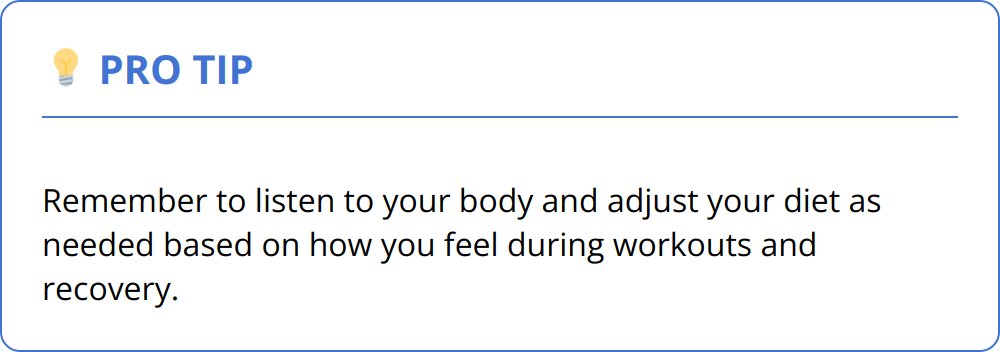
To sum up, assembling your vegan fitness meals requires a fine-tuned balance of macronutrients tailored to your workout demands, a focus on essential micronutrients to avoid deficiencies, and a vigilant approach to hydration. Embrace variety, plan your meals, and listen to your body to fine-tune your diet for optimal performance and recovery.
-
Include a variety of protein sources to cover the spectrum of essential amino acids.
-
Monitor iron levels and consider supplementing with vitamin C to enhance absorption.
-
Keep hydrated by drinking water throughout the day, not just during workouts.
Planning Vegan Fitness Meals
When building an effective vegan fitness meal plan, the goal is to optimize your diet to support energy levels, muscle recovery, and overall performance. Meal timing, supplementation, and tailored meal plans for different fitness objectives are pivotal components. Here’s how to put these pieces together for maximum benefit.
Optimizing Meal Timing Around Workouts
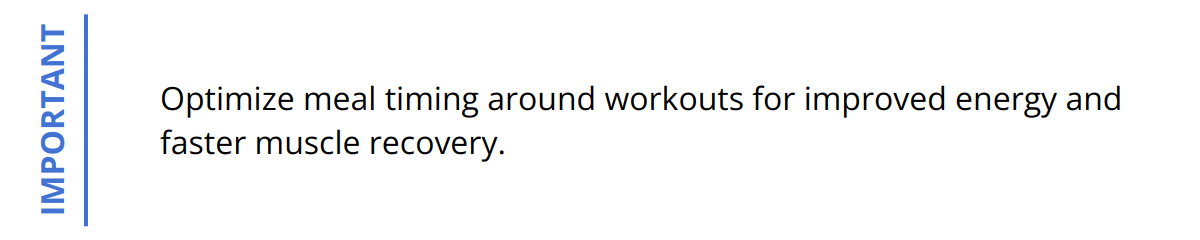
Meal timing plays a crucial role in maximizing workout effectiveness and recovery. Consuming the right foods at the right time can enhance energy levels during workouts and speed up muscle recovery afterward. A good rule of thumb is to have a balanced meal with complex carbohydrates and protein 2-3 hours before exercising. This could be oatmeal with fruit and almond butter or a quinoa and black bean salad. Post-workout, aim for a meal or snack within 45 minutes to an hour to replenish glycogen stores and support muscle repair. A smoothie with vegan protein powder, banana, and a handful of spinach can be perfect for quick recovery.
Incorporating Supplements Wisely
While a well-planned vegan diet can cover most nutritional bases, certain supplements may benefit fitness enthusiasts. Vitamin B12, algae-based omega-3s, and vitamin D are top considerations, as they are harder to obtain from a vegan diet. Iron and zinc are other nutrients that might require attention; however, they can often be managed through diet with foods rich in these nutrients and vitamin C to enhance absorption. Always opt for whole food plant-based options when possible and consult a healthcare professional before adding supplements to your regimen.

Sample Meal Plans Tailored to Fitness Goals
Different fitness goals require different dietary approaches. Here are sample meal ideas for common objectives:
For Muscle Building:
-
Breakfast: Tofu scramble with spinach, mushrooms, and whole grain toast.
-
Lunch: Lentil and sweet potato stew with a side of brown rice.
-
Snack: Peanut butter on rice cakes with a banana.
-
Dinner: Quinoa bowl with black beans, avocado, salsa, and sautéed kale.
For Endurance Training:
-
Breakfast: Overnight oats with almond milk, chia seeds, berries, and a sprinkle of hemp seeds.
-
Lunch: Chickpea salad sandwich with whole grain bread and a side of carrot sticks.
-
Snack: Apple slices with almond butter.
-
Dinner: Stir-fried tofu with broccoli, bell peppers, and brown rice.
For Weight Loss:
-
Breakfast: Smoothie with spinach, vegan protein powder, almond milk, and a small avocado.
-
Lunch: Quinoa salad with chickpeas, cucumber, tomatoes, and a lemon-tahini dressing.
-
Snack: Carrot sticks with hummus.
-
Dinner: Baked tempeh with steamed green beans and a side of cauliflower rice.
Effective vegan meal planning for fitness involves more than just choosing plant-based foods; it requires strategic combinations to meet your body’s needs before and after workouts. By focusing on nutrient-dense foods, proper supplementation, and meal timing, you can maximize your athletic performance and recovery on a vegan diet.
Maximizing Vegan Meal Sustainability
Eating sustainably as a vegan athlete does more than just reduce your carbon footprint; it can also enhance your performance and recovery by ensuring you’re getting the freshest, most nutrient-dense foods available. Here are actionable ways to make your vegan fitness eating plan both environmentally friendly and conducive to achieving your fitness goals.
Embrace Seasonal and Local Foods
Seasonal eating isn’t just a trend; it’s a practice that can significantly impact your health and the planet. Foods grown and consumed within their appropriate seasons are often more flavorful and nutritious. They haven’t been subjected to the lengthy transport and storage processes that can deplete nutrient levels. Incorporating seasonal and local produce into your diet means you’re getting fruits and vegetables at their peak nutritional value, which is essential for fueling your workouts.
Moreover, local foods have a smaller carbon footprint. By choosing local, you’re also supporting the local economy and reducing environmental damage associated with long-distance food transportation.
Diversify Your Plate
Variety isn’t just the spice of life; it’s a lifeline for vegans, especially those focused on fitness. Relying on a limited range of foods can lead to nutrient deficiencies that might hamper your performance and recovery. By eating a wide array of plant-based foods, you’re more likely to cover all your nutritional bases.
Make it a goal to try new grains, legumes, nuts, seeds, fruits, and vegetables regularly. Each offers unique vitamins, minerals, and antioxidants, contributing to a well-rounded diet. Experiment with different protein sources like tempeh, seitan, and a variety of legumes to keep your meals interesting and nutritionally balanced. Diversifying your diet not only ensures comprehensive nutrient intake but also makes meals more enjoyable.
Smart Meal Prepping
Efficient meal prep is invaluable for anyone, but it’s particularly crucial for athletes with specific nutritional needs. Vegan fitness enthusiasts can benefit greatly from having ready-to-eat, nutrient-dense meals and snacks. Here are some tips to streamline your meal prep process:
-
Batch Cook: Choose one day a week to prepare large quantities of staples like grains, legumes, and roasted vegetables. These can be mixed and matched throughout the week for quick, balanced meals.
-
Prep Protein: Cook a variety of protein sources in advance. This could include baking tofu, cooking a big batch of lentils, or preparing a large container of chickpea salad.
-
Snack Packs: Prepare grab-and-go snack packs filled with nuts, seeds, chopped fruits, and vegetables. These are perfect for fueling up before or after workouts.
-
Smoothie Packs: Assemble individual bags with smoothie ingredients and freeze them. Just add liquid and blend for a quick post-workout recovery meal.

Embracing these practices can enhance the sustainability of your vegan fitness diet, ensuring it’s as kind to the planet as it is beneficial to your health and performance. By focusing on seasonal and local produce, diversifying your food sources, and mastering the art of meal prepping, you can maintain a diet that supports both your athletic ambitions and environmental sustainability.
Wrapping Up
In this journey through the essentials of vegan fitness meals, we’ve laid down the foundation for building a diet that not only supports your fitness goals but also aligns with a vegan lifestyle. From the careful balance of macronutrients to the crucial inclusion of key micronutrients and the importance of staying hydrated, these best practices form the blueprint for athletic success on a plant-based diet.

It’s important to recognize that there is no one-size-fits-all solution when it comes to nutrition. The beauty of a vegan diet lies in its diversity and flexibility. Therefore, we encourage you to explore different foods and meal combinations. Experimenting with a variety of ingredients not only prevents dietary monotony but also ensures a broader spectrum of nutrients to fuel your body and support recovery. Remember to make use of the wealth of recipes and resources available at Stimulife Health Blog to inspire your meal planning.
Listening to your body’s needs is paramount. Paying attention to how you feel during workouts, how well you recover, and your overall energy levels can provide valuable feedback. This self-awareness allows you to tweak your diet for better performance, recovery, and well-being. If certain foods don’t suit you, or if you find yourself feeling sluggish and under-nourished, it may be time to reassess your choices and consider consulting a nutrition professional.
Ultimately, the goal is to create an eating plan that is as enjoyable as it is effective. With the right approach, vegan fitness meals can be incredibly rewarding, providing not just the nutrients you need to meet and exceed your fitness goals, but also the satisfaction of knowing you’re supporting your health and the environment. Stay curious, stay motivated, and remember that your diet should evolve with your fitness journey.
As we conclude this guide, remember that navigating your way through vegan fitness nutrition is a journey of discovery. Whether you’re building muscle, aiming for endurance, or working towards weight loss, the principles we’ve shared are designed to set you up for success. Embrace the process, enjoy the variety, and fuel your body with the power of plants.
Discover more from Stimulife Health Blog
Subscribe to get the latest posts sent to your email.


One thought on “Vegan Fitness Meals: Best Practices”