
Understanding the role of protein in our diets is essential, and the debate on animal versus plant-based sources is hotter than ever. We at Stimulife Health Blog believe in the power of plant-based proteins to not only meet your dietary needs but also offer additional health benefits.
There are common misconceptions surrounding the adequacy of plant-based proteins which we aim to debunk. By exploring a variety of sources and showing you how to integrate them into your meals, we hope to illuminate the path towards a healthier, more sustainable diet.
Plant-Based Proteins: Why and How?
The importance of protein in our diets cannot be overstated. It’s the building block of life, essential for everything from muscle repair to enzyme production. Traditionally, animal proteins have been hailed as the superior source. However, we’re here to make a strong case for plant-based proteins. Not only do they fulfil your dietary requirements, but they pack a punch with additional health benefits.
Plant-Based Proteins Surpass Animal Proteins
First off, plant-based proteins often come with lower saturated fats and no cholesterol, making them heart-friendly. They’re also rich in fiber, antioxidants, and phytonutrients, which are absent in animal proteins. These nutrients work together to improve digestion, reduce the risk of chronic diseases, and support overall health.
Moreover, for those concerned about the environment, plant-based proteins have a lower carbon footprint compared to animal proteins. The production of plant-based proteins requires less water and land and produces fewer greenhouse gases.

Dispelling the Myths About Plant-Based Proteins
A prevalent myth is that plant-based proteins are inferior because they lack one or more essential amino acids. While it’s true that most plant-based proteins are not ‘complete’ proteins on their own, this is easily rectified by consuming a variety of protein sources throughout the day. Your body is perfectly capable of combining different amino acids from different meals to form complete proteins.
Another misconception is that you can’t get enough protein from plants. This is far from the truth. Legumes, nuts, seeds, and whole grains are just a few examples of plant-based foods that are high in protein. For instance, lentils pack 18 grams of protein per cooked cup, and quinoa offers 8 grams per cup.
Additionally, the argument that plant-based proteins don’t build muscle as effectively as animal proteins is outdated. Numerous athletes and bodybuilders thrive on plant-based diets, demonstrating that muscle building and maintenance are entirely possible without animal products.

Integrating Plant-Based Proteins into Your Diet
- Start with familiar foods like beans, lentils, and chickpeas. Add them to salads, soups, and stews.
- Explore plant-based dairy alternatives such as almond milk, soy milk, and cashew cheese.
- Use tofu and tempeh as meat substitutes in your favorite recipes.
- Snack on nuts, seeds, or protein bars made from plant-based sources.
- Experiment with protein-rich grains like quinoa, barley, and bulgur.
For more practical ways to add plant-based proteins to your meals, check out our guides on vegan fitness meals and holistic nutrition tips.
In Summary
Choosing plant-based proteins over animal proteins is not just a dietary preference but a lifestyle choice that promotes better health, environmental sustainability, and ethical consumption. With a myriad of sources available, incorporating plant-based proteins into your diet has never been easier. Let’s debunk the myths and embrace the myriad benefits that these proteins have to offer.
Rich Plant-Based Protein Sources
Exploring legumes, nuts and seeds, and whole grains unlocks a treasure trove of plant-based proteins vital for health and well-being. These foods not only offer rich protein content but also bring a host of nutrients, fiber, and antioxidants to your diet, contributing to a well-rounded nutritional profile.
The Power of Legumes
Legumes, including beans, lentils, and chickpeas, are indispensable in a plant-based diet. A single cup of cooked lentils, for example, provides about 18 grams of protein, alongside significant amounts of fiber, iron, and potassium. This makes them an excellent choice for anyone looking to boost their protein intake. They can easily be added to soups, salads, and stews for a hearty protein kick.
For a dive into creative ways to use legumes in your meals, check out our healthy meal ideas.

Nuts and Seeds: A Protein Punch
Almonds, chia seeds, and hemp seeds stand out for their protein content. Almonds, for instance, offer around 7 grams of protein per quarter-cup serving, making them an excellent snack or salad topper. Chia and hemp seeds, apart from their protein content, are rich in omega-3 fatty acids, which are beneficial for heart health. Integrating these into your diet is as simple as sprinkling them over breakfast bowls or blending them into smoothies.
Discovering more about these power-packed seeds is possible through our guide on superfoods for energy boost.
Whole Grains: More Than Just Carbs
Whole grains like quinoa, oatmeal, and brown rice are often recognized for their carbohydrate content, yet they’re also valuable sources of protein. Quinoa, particularly, is a complete protein, meaning it provides all nine essential amino acids our bodies cannot produce on their own. Just one cup of cooked quinoa contains about 8 grams of protein. Including whole grains in your diet is straightforward; use them as bases for bowls, side dishes, or morning cereals.
Practical Tips for Incorporation
-
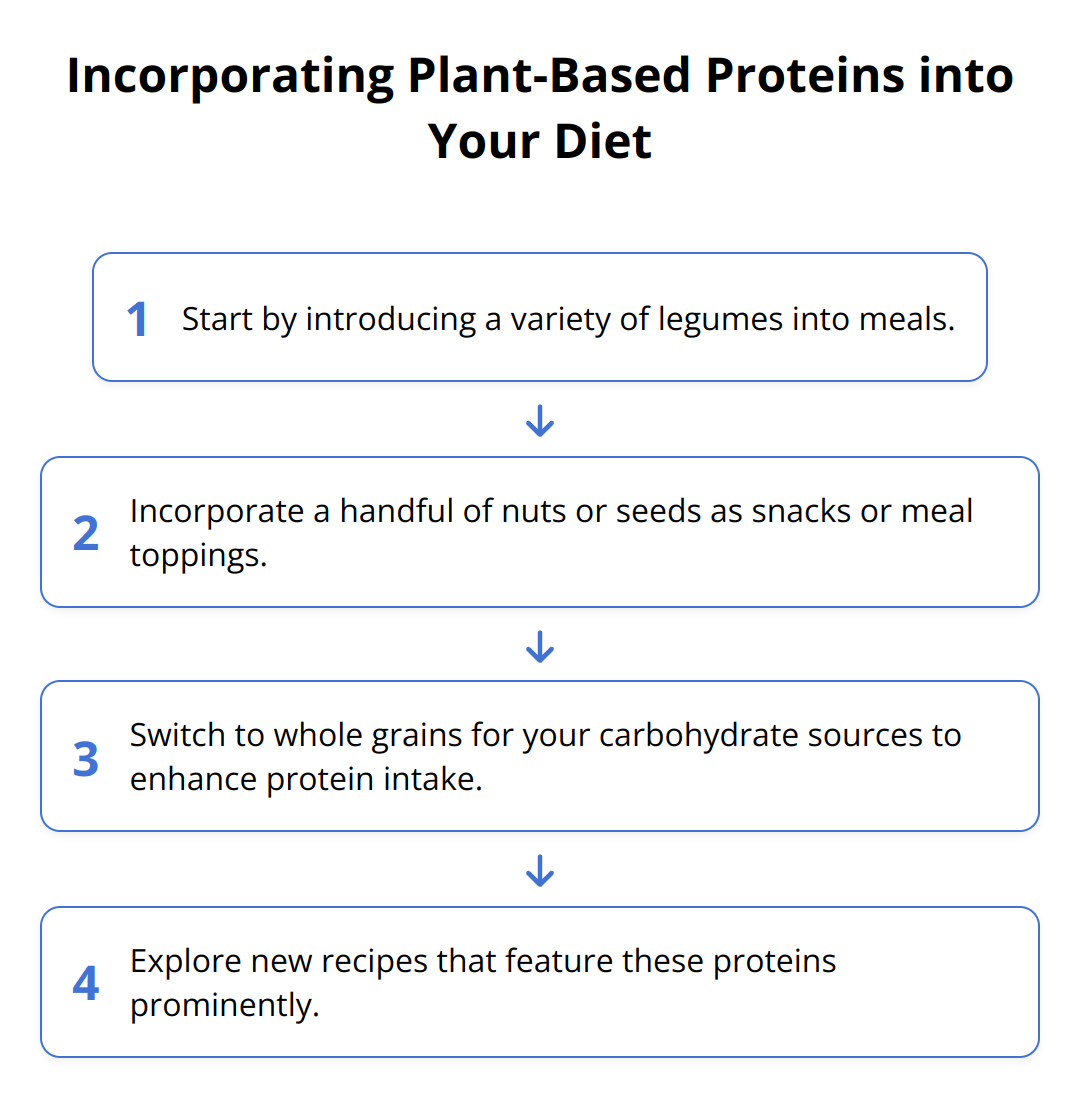
Mix different legumes to create flavorful and protein-rich dishes.
-
Snack on nuts or prepare homemade trail mixes for on-the-go protein boosts.
-
Opt for whole grains over refined grains to maximize protein intake.
By focusing on these rich plant-based protein sources, maintaining a balanced, nutritious diet supporting health and environmental sustainability becomes achievable. Their versatility and nutritional profile make them essential components of any meal plan aiming to increase protein intake without relying on animal products.
Making Plant-Based Proteins Work for You
Transitioning to a plant-based diet can seem daunting at first, especially if you’re used to a diet heavy in animal products. However, integrating plant-based proteins into your meals is simpler than it appears, and with the right approach, it can be both satisfying and nutritionally complete. Here are practical ways to make plant-based proteins a staple in your daily diet.
Understand Your Protein Sources
First and foremost, familiarize yourself with a variety of plant-based protein sources. Beyond beans, lentils, and chickpeas, there are numerous other proteins to explore such as tofu, seitan, and plant-based protein powders. Each of these proteins can be prepared in a multitude of ways to fit any taste preference or meal plan.
Utilize Cooking Techniques
Mastering a few basic cooking techniques can go a long way in making plant-based meals appealing. For example, marinating and baking tofu can give it a flavorful and satisfying texture, making it a perfect substitute for meat in almost any dish. Similarly, using spices and herbs can enhance the natural flavors of beans and lentils, making them more enjoyable.
Here are a few techniques to get started:
-
Marinating: Before cooking, soak your protein in a mixture of herbs, spices, and liquids to enhance its flavor.
-
Baking: A simple, hands-off method that can produce crispy textures, especially for tofu and tempeh.
-
Sautéing: Quick and easy, this method adds depth to the natural flavors of your proteins.
-
Blending: Perfect for smoothies, protein bars, or even homemade plant-based patties.
Sample Meal Plans and Recipes
Creating a meal plan can help ensure you get a variety of proteins and nutrients throughout the week. Start by planning a few days at a time, incorporating a different plant-based protein into each meal. Here’s a sample day to get you started:
-
Breakfast: Quinoa porridge with almond milk, topped with hemp seeds and fresh berries.
-
Lunch: Chickpea salad with plenty of vegetables, dressed with olive oil and lemon juice.
-
Dinner: Stir-fried tofu with a mix of your favorite vegetables over brown rice or quinoa.
Experimenting with recipes is key to finding what you enjoy. There are endless resources online for plant-based recipes that are both nutritious and satisfying. For example, explore our guide on how to make wellness lifestyle changes for more ideas on integrating healthy foods into your daily routine.
Practical Tips for Transition
-
Start slow: Gradually substitute plant-based proteins for animal proteins in meals you already enjoy.
-
Keep it varied: Rotate through different proteins to ensure you’re getting a range of nutrients.
-
Prep in advance: Cook beans, lentils, or grains in bulk to save time during the week.
-
Get creative: Use nuts and seeds as toppings for salads, yogurt, or oatmeal for an easy protein boost.
By incorporating these tips and techniques into your routine, making the switch to a diet rich in plant-based proteins can be a smooth and rewarding process. Whether for health, environmental, or ethical reasons, the benefits of including more plant-based proteins in your diet are substantial and well worth the effort.

Final Thoughts
The journey towards integrating plant-based proteins into our diets reveals a world rich in diversity and health benefits. We’ve explored how legumes, nuts, seeds, and whole grains not only meet but often surpass our nutritional needs, providing essential amino acids, fiber, antioxidants, and more. These nutrients play a crucial role in heart health, reducing the risk of chronic diseases, and promoting overall wellness.
![Key Takeaways - Plant-Based Protein Sources [Guide]](https://stimulife.blog/wp-content/uploads/2024/10/54fdc-plant_based_protein_sources__guide__6_2024_05_15_07_12_44_445025_00_00.png?w=1126&h=874)
Embracing plant-based proteins goes beyond nutrition. It’s an opportunity to experiment with new recipes and flavors, redefining our meals in exciting ways. From hearty chickpea stews to quinoa salads bursting with color and life, the possibilities are endless. We encourage everyone to venture into the myriad of plant-based recipes available, discovering new favorites that not only nourish the body but also delight the palate.
Moreover, choosing plant-based proteins is a powerful decision for our planet. By shifting away from animal products, we contribute to reducing water use, land degradation, and greenhouse gas emissions. This small, dietary change is a significant step towards environmental sustainability, showcasing our commitment to a healthier world for future generations.
In conclusion, the move towards plant-based proteins is not merely a dietary trend but a comprehensive approach to living healthier, more ethically, and sustainably. We invite you to continue exploring the vast world of plant-based nutrition here at Stimulife Health Blog, where we’re dedicated to providing the latest health and wellness information. Let’s make every meal an opportunity to nourish both ourselves and the planet.
Discover more from Stimulife Health Blog
Subscribe to get the latest posts sent to your email.


