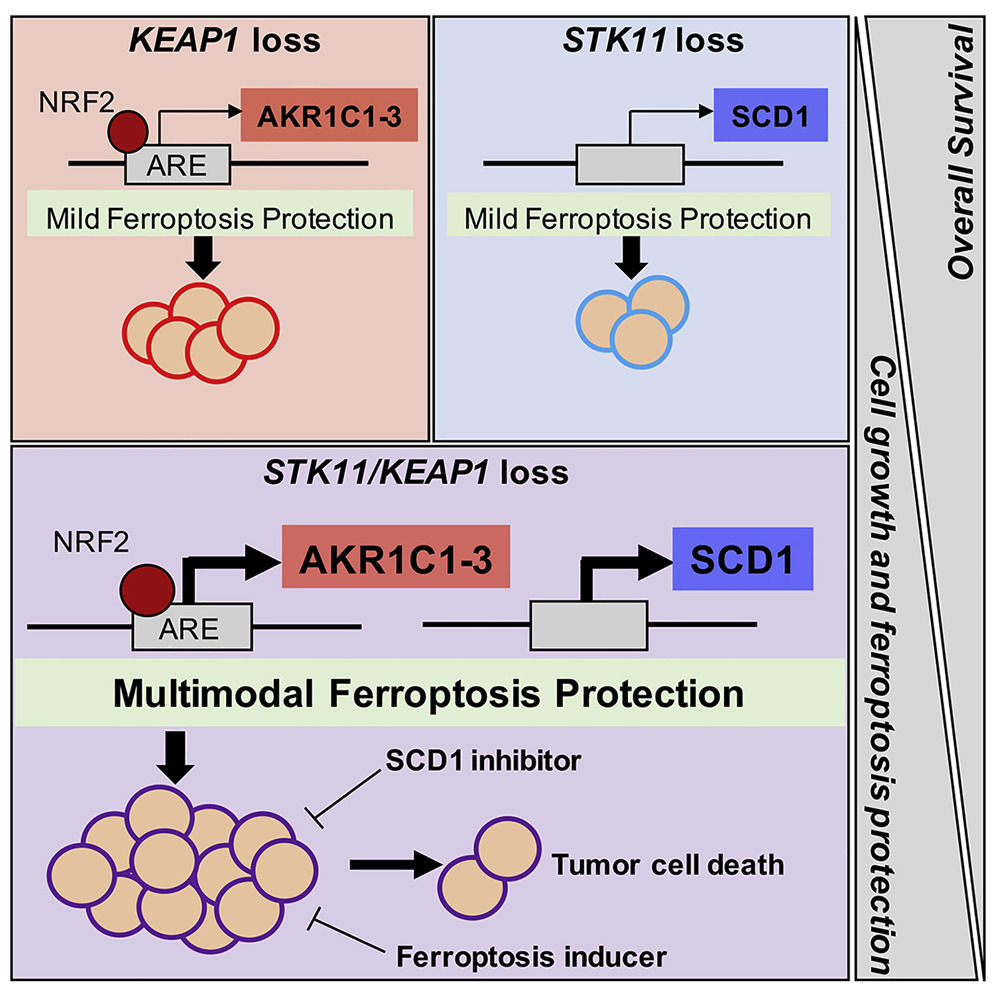
Recent research has identified new therapeutic targets for aggressive forms of lung cancer, offering hope for improved treatments. A study from Memorial Sloan Kettering Cancer Center focused on lung adenocarcinomas characterized by concurrent mutations in the KEAP1 and STK11 genes. These mutations contribute to the cancer’s aggressiveness by inhibiting ferroptosis, a type of cell death. The researchers suggest that targeting proteins involved in regulating ferroptosis could lead to novel treatments for this subset of lung cancer.
In another development, Northwestern Medicine scientists have discovered a gene responsible for activating an aggressive subtype of small-cell lung cancer (SCLC) known as the P subtype. This form of SCLC currently lacks effective treatments. The identification of this gene offers a potential new target for therapeutic intervention.
These findings underscore the importance of understanding the genetic and molecular mechanisms driving aggressive lung cancers, paving the way for the development of targeted therapies that could improve patient outcomes.
Targeted therapies are currently available for about one-third of people with lung adenocarcinoma, the most common kind of lung cancer. These drugs inhibit cancer cells by thwarting the molecular changes that drive them to grow while largely sparing healthy tissues. But for the other two-thirds of people with this type of cancer, there are fewer treatment options.
Graphical abstract by Rudin et al.
A team from Memorial Sloan Kettering is reporting new findings about a particularly aggressive subset of lung adenocarcinomas that are driven by two mutations that frequently occur together, in genes called KEAP1 and STK11. The molecular changes characteristic of these tumors were surprising to the investigators who discovered them: they block a type of cell death calledferroptosis. Cancers with these changes require this blockade to stay alive and grow. The study was published December 1, 2020, inCell Reports.